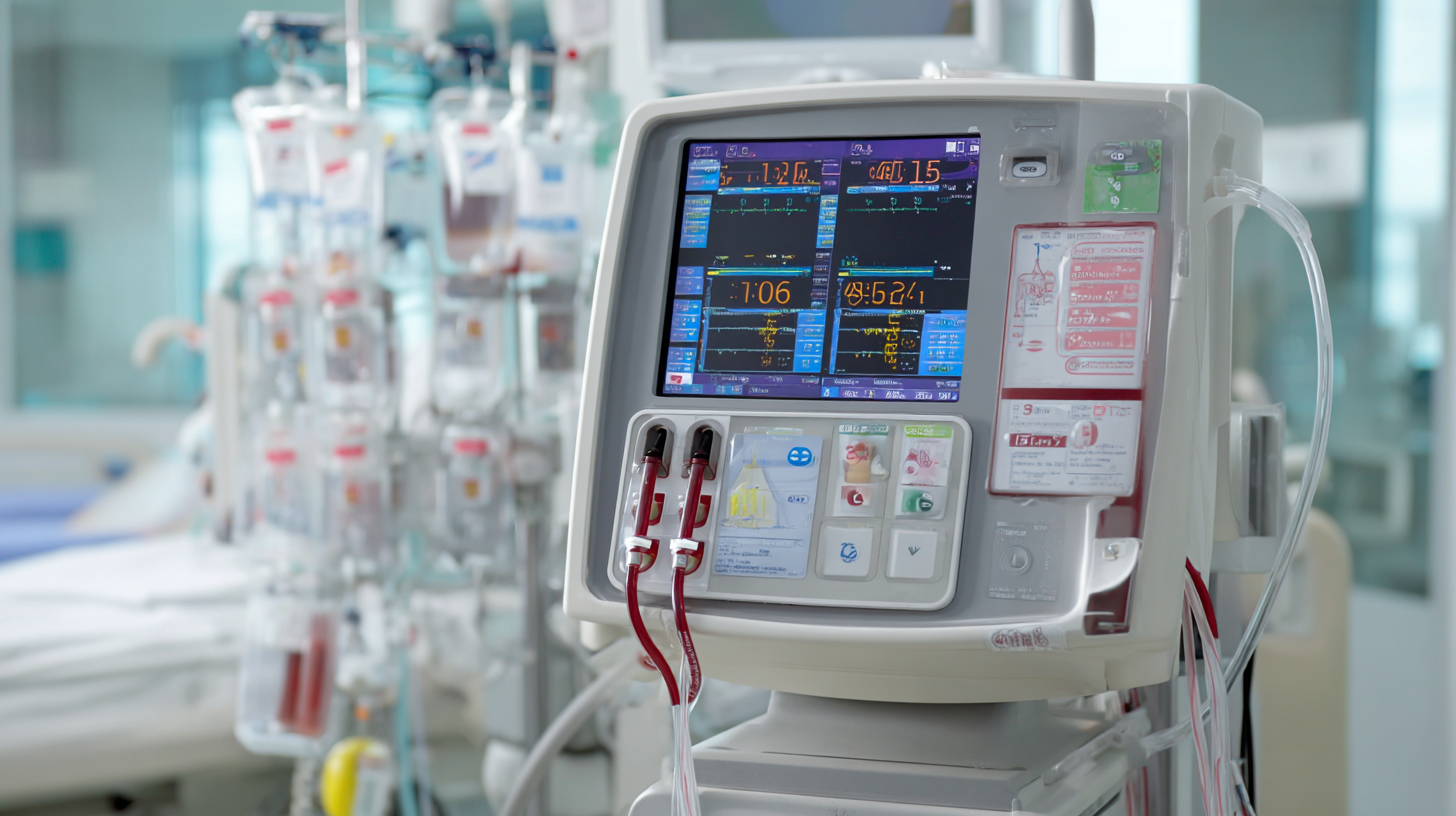
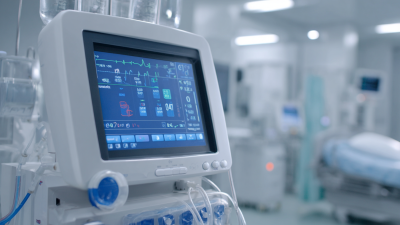
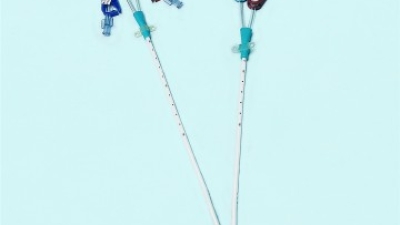
When it comes to patient care, the choice of medical devices can really make a difference in how well treatments work — especially in urgent, critical situations. Take Acute HemoDialysis Catheters, for example; they’ve become essential tools for managing kidney failure because they provide quick, reliable access to the bloodstream for dialysis.
Did you know that according to the National Kidney Foundation, over 785,000 Americans are living with end-stage renal disease? That’s a huge number, and it really highlights how important innovative solutions are in improving treatment effectiveness.
At Tianck Medical Co., Ltd., we’re dedicated to making a real difference—enhancing patient outcomes and pushing healthcare forward by creating precisely engineered products that meet the evolving needs of doctors and patients all around the world. Using these acute dialysis catheters not only helps clinicians handle urgent care moments more effectively but also offers patients the support they need during tough times. All of this ultimately leads to better, more efficient healthcare for everyone involved.
Key Benefits of Acute Hemodialysis Catheters in Emergency Care
Acute hemodialysis catheters are pretty essential in emergency situations—they really make a difference when quick action is needed. These devices are ready to go right out of the box, giving healthcare providers speedy access to the patient's blood vessels for urgent dialysis. Thanks to their carefully designed components, they allow for good flow rates and help reduce complications, which is super important for keeping patients stable during critical moments.
Beyond just being easily accessible, these catheters also help lower the chances of infections and vascular injuries—issues that can sometimes crop up with longer-term access methods. Using advanced materials and smart designs, they’re more biocompatible, making treatments safer and more effective overall. At Tianck Medical, we’re committed to crafting top-quality products that meet the ever-changing needs of healthcare professionals and patients worldwide.
Tips:
- Make sure staff are well-trained on how to properly place and care for the catheters—that way, you’re reducing risks and improving patient safety.
- Keep a close eye on patients for any signs of infection related to the catheter, and act quickly if you notice anything unusual.
- Work closely with different medical teams to customize dialysis plans—these acute catheters offer the flexibility you need for truly patient-centered care.
Enhanced Patient Comfort: The Role of Catheters in Acute Settings
In emergency or acute care, picking the right hemodialysis catheter really makes a difference—not just for effective treatment, but also for how comfortable patients feel. These acute hemodialysis catheters are built for quick, reliable access to veins, which is super important during urgent situations. I read in the American Journal of Kidney Diseases that using the proper central Venous Catheter can cut down patient discomfort by as much as 30%. That really helps with a smoother transition into dialysis and takes some of the physical and emotional stress off patients dealing with sudden kidney issues.
Plus, newer catheter designs often come with features that boost patient comfort—things like reducing the risk of blood clots and being more flexible. There was a study in the Clinical Journal of the American Society of Nephrology showing that these modern catheters tend to have fewer complications, which means shorter hospital stays and happier patients overall. When seconds count in urgent situations, choosing the right catheter isn’t just about treatment—it's also about making the whole experience a bit easier and less invasive for people going through dialysis."
Advantages of Using Acute Hemodialysis Catheters for Optimal Patient Care
This bar chart illustrates the various advantages of using acute hemodialysis catheters in patient care, focusing on enhanced patient comfort, ease of use, and reduced risk of complications.
Improved Dialysis Efficiency: How Catheters Optimize Treatment
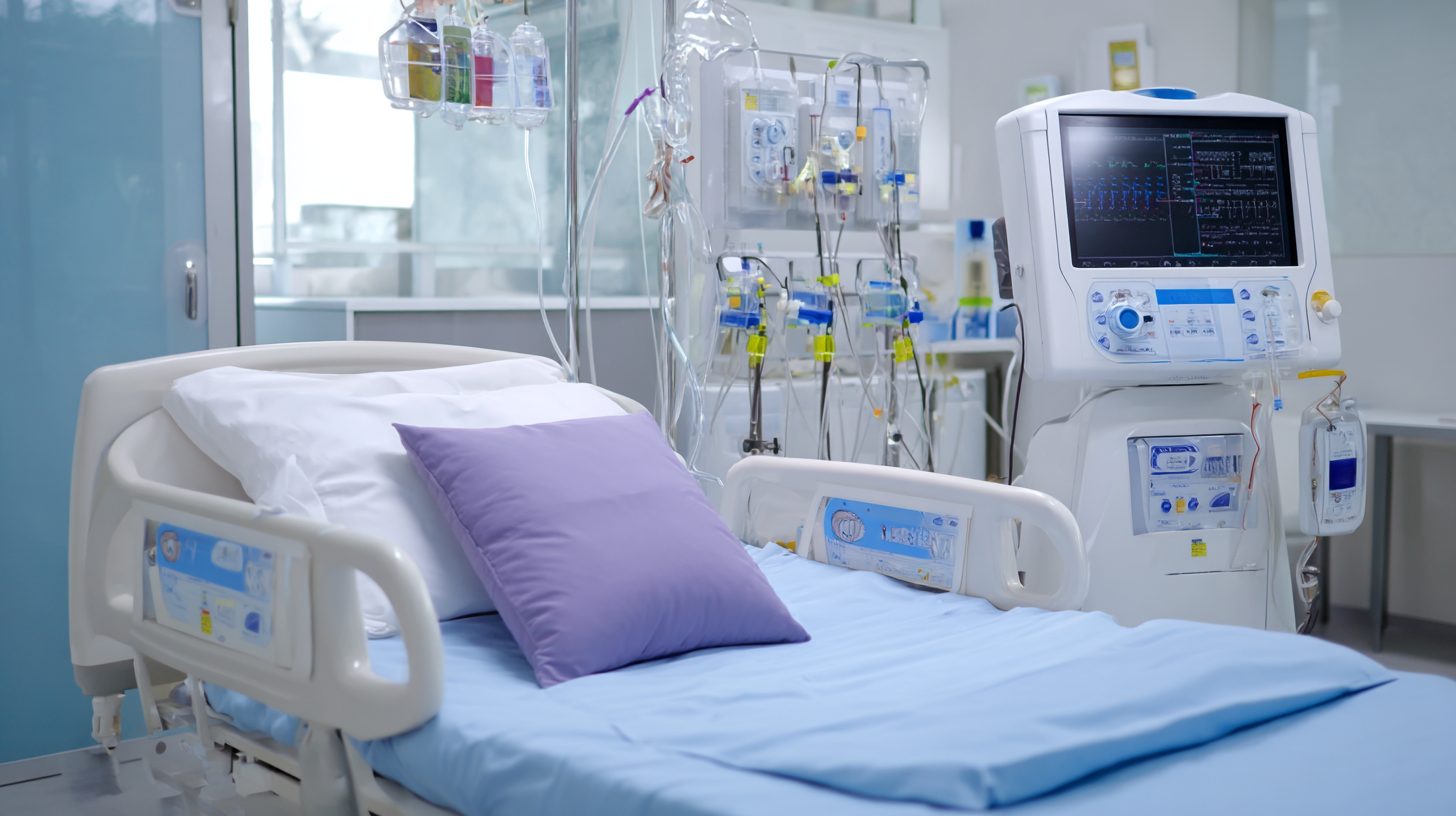 Acute hemodialysis catheters really play a crucial role in boosting the efficiency of dialysis, which is so important for making sure patients get the best care possible. The National Kidney Foundation emphasizes that starting dialysis promptly can really help cut down on serious complications and even save lives in cases of acute kidney injury. These catheters give quick, direct access to the blood vessels, so treatment can begin almost right away. In emergencies, where every second counts, that quick access is a lifesaver—it means patients get the care they need without unnecessary delays.
One of the big advantages of using these acute dialysis catheters is that they can handle higher blood flow rates. A study in the American Journal of Kidney Diseases found that designed specifically for acute use, these catheters can push blood flows up to about 400 mL per minute—which really helps clear out waste products more efficiently. When blood flows faster, dialysis sessions become more effective, so patients tend to have better results.
Tip: When you're picking out a catheter for someone in acute care, keep in mind their overall clinical situation and what kind of access they need. It's also super important to watch out for complications like infections or clots. Taking good care of the catheter and staying vigilant can make a big difference — not just for the success of the treatment but also for the patient’s overall recovery journey.
Reducing Complications: Safety Features of Acute Hemodialysis Catheters
Acute hemodialysis catheters are really important when it comes to giving the best care for patients, especially in emergencies where quick access to the bloodstream is a must. One of their biggest perks is the solid safety features they come with, which help cut down on the chances of complications. For example, a lot of the newer catheters have built-in infection prevention things like Hub protection and antimicrobial coatings, which further lower the risk of infections related to the catheter. That’s a huge win because it keeps patients safer and makes the treatment work better.
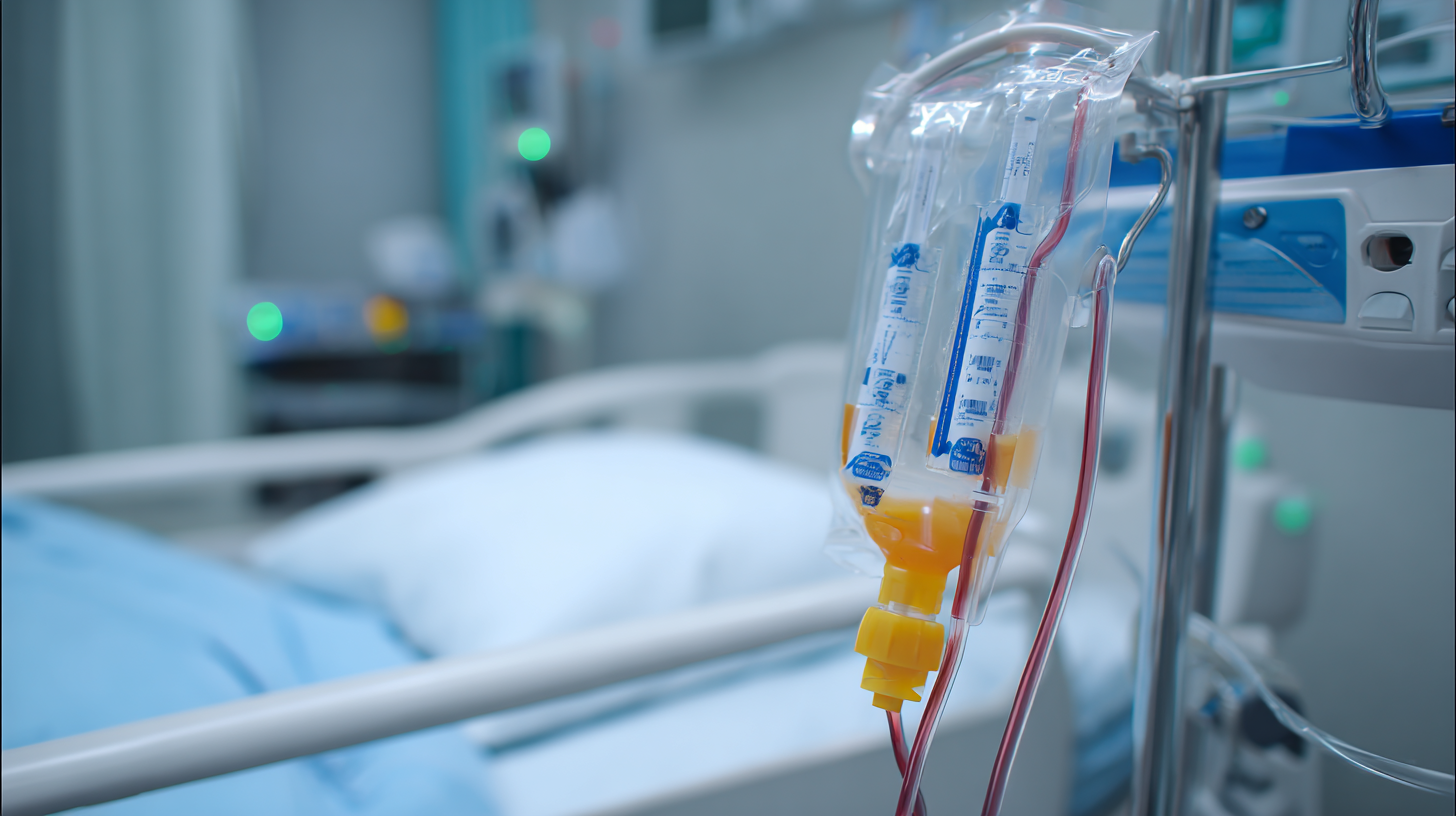
Plus, these catheters are often designed with dual-lumen setups that make blood flow smoothly while reducing the risk of hemolysis. This means they can handle blood coming in and going out at the same time, making dialysis more efficient and helping patients get their treatment without unnecessary delays. Many of these catheters are also made from biocompatible materials, which helps lower the chances of blood clots. Using these advanced catheters with all these safety features really helps healthcare providers reduce complications and makes the whole experience better for patients going through acute hemodialysis.
Cost-Effectiveness of Acute Hemodialysis Catheters for Healthcare Providers
Acute hemodialysis catheters are pretty much essential when it comes to providing quick and effective kidney replacement therapy for folks dealing with acute kidney injury. From a healthcare provider’s perspective, they’re also a smart choice cost-wise because they help keep treatment expenses down without compromising patient care. Investing in these specialized catheters can really pay off—by reducing the need for more invasive procedures or dealing with complications that might pop up if access isn’t ideal.
One of the best things about these catheters is how quickly they can be placed, giving immediate access for dialysis. That immediate availability means care can start right away, which not only speeds things up for the patient but also helps hospitals save money by shortening hospital stays. A good tip for healthcare providers is to regularly review and follow updated catheter guidelines—this simple step can really cut down on infections and other issues linked to these devices.
Also, making sure your staff is properly trained on how to use these catheters is a game-changer. When used correctly, they lead to better patient outcomes and help avoid extra costs from complications. Having a routine check and maintenance plan for the catheters is key to keeping them in good shape and reliable over time. All of this combined not only boosts patient satisfaction but also makes the best use of resources, which is a win-win for everyone involved.
| Dimension | Acute Hemodialysis Catheters | Standard Hemodialysis Options |
| Advantages of Using Acute Hemodialysis Catheters for Optimal Patient Care - Cost-Effectiveness of Acute Hemodialysis Catheters for Healthcare Providers |
| Insertion Time | Immediate (30-60 minutes) | Longer (several hours) |
| Patient Comfort | Higher due to less invasive techniques | Moderate, may cause discomfort |
| Maintenance Costs | Lower maintenance with fewer complications | Higher due to potential complications |
| Duration of Use | Up to 20 days | Typically up to 72 hours |
| Patient Outcomes | Improved survival rates in acute settings | Standard survival rates |
| Time to Initiate Dialysis | Quicker initiation of treatment | Delayed due to placement challenges |
| Risk of Infection | Lower risk with proper use | Higher risk due to longer use |
The Essential Guide to Short Term Hemodialysis Catheters: What You Need to Know
When it comes to ensuring effective and immediate hemodialysis for patients with acute kidney injury or other renal issues, understanding the role of short-term hemodialysis catheters is crucial. These medical devices provide vital vascular access that allows for the timely treatment of patients who may not yet have a permanent solution in place. Typically inserted into a large Central Vein—be it the jugular, subclavian, or femoral vein—these catheters facilitate the efficient removal of toxins and excess fluid from the blood, making them indispensable in emergency situations.
Short-term hemodialysis catheters are specifically designed for temporary use, generally spanning a duration of a few days to several weeks. This transient nature does not compromise their effectiveness; on the contrary, they are crafted to ensure that patients receive the necessary care while waiting for a more sustainable vascular access solution, such as an arteriovenous fistula or graft. Their ease of insertion and quick availability make these catheters an essential tool in the dialysis process, providing healthcare providers with the capability to respond rapidly to critical patient needs. Understanding their purpose and application can significantly impact patient outcomes in urgent clinical scenarios.
FAQS
: Acute hemodialysis catheters provide immediate access to the vascular system, allowing for rapid treatment, higher blood flow rates, and improved solute clearance, which enhances overall dialysis efficiency.
Catheters can achieve blood flows of up to 400 mL/min, enabling more effective treatment sessions and optimizing blood flow for better dialysis results.
Many modern catheters are designed with integrated infection prevention mechanisms like Hub protection and antimicrobial coatings, along with dual-lumen configurations that reduce complications and enhance blood flow efficiency.
Regular monitoring for complications such as infections and thrombosis is crucial to maintaining both the effectiveness of dialysis treatment and the overall health of the patient throughout their recovery.
The rapid placement of acute hemodialysis catheters allows for immediate dialysis access, which can minimize prolonged hospital stays and reduce overall treatment costs related to complications from less effective access points.
Healthcare providers should regularly evaluate catheter guidelines, train staff thoroughly on device usage, and implement routine check and maintenance protocols to enhance patient outcomes and reduce costs associated with complications.
Conclusion
When it comes to emergency care, Acute Hemodialysis Catheters really play a crucial role in helping patients get better outcomes. They’re great because they provide a reliable, minimally invasive way to access the bloodstream for dialysis, which is super important during urgent situations. Plus, they make the entire dialysis process more efficient, so healthcare providers can deliver treatment faster and better respond to what the patient needs on the spot.
Safety is also a big deal here — these catheters are designed with features that help minimize the risk of complications, giving patients peace of mind. And let’s not forget about the cost — they’re pretty cost-effective too, which is a big plus for hospitals and clinics trying to manage budgets. At Tianck Medical Co., Ltd., we’re passionate about pushing healthcare forward. We develop precision-engineered products that adapt to the ever-changing needs of medical professionals and make patient care better all around the world.