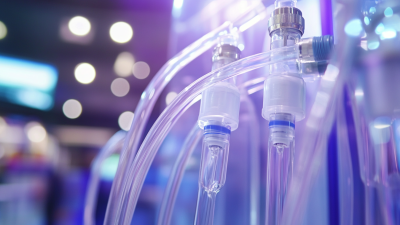
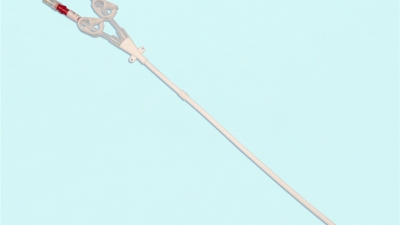
In the ever-evolving landscape of healthcare, the demand for efficient and reliable medical devicesis paramount, particularly in the realm of renal care. The global market for hemoDialysis Catheters is projected to reach$1.5 billion by 2026, driven by the increasing prevalence of chronic kidney disease and the growing number of patients requiring hemodialysis treatment. This surge underscores the need for innovative solutions that enhance patient outcomes and streamline clinical workflows. At Tianck Medical CO., Ltd., we are dedicated to meeting these challenges by offering precision-engineered products, such as the Hemodialysis Catheter Set, designed to fulfill the diverse requirements of healthcare professionals and patients worldwide.
By unlocking efficiency and providing unique advantages, our hemodialysis catheter sets stand out as premier choices for global buyers looking to improve patient care and streamline dialysis procedures.
The Rising Demand for Hemodialysis Catheter Sets in Global Markets
The market for hemodialysis catheter sets has witnessed significant growth, driven primarily by the increasing prevalence of kidney-related diseases worldwide. According to a report by Grand View Research, the global hemodialysis market is projected to reach $23.2 billion by 2025, with catheter sets being a pivotal component in this forecast. With an aging population and a higher incidence of chronic illnesses like diabetes and hypertension, healthcare providers are turning to advanced hemodialysis solutions to meet the rising demands. This surge highlights the critical need for reliable and efficient catheter systems that can support patient stability and enhance treatment outcomes.
When selecting hemodialysis catheter sets, buyers should consider various factors that can impact performance and patient safety. Tip #1: Look for catheters designed with materials that minimize the risk of infection, as studies reveal that infections are a leading cause of complications in dialysis patients. Tip #2: Evaluate the set's ease of insertion and maintenance to ensure that healthcare professionals can administer treatments quickly and effectively, which is vital for patient comfort. Furthermore, choosing catheters that offer superior flow rates can significantly improve the quality of dialysis sessions, offering patients better overall health management.
As global healthcare systems continue to adapt to the rising demand for hemodialysis services, selecting the best catheter set becomes crucial. With the right resources, providers can ensure they are equipped to tackle the challenges presented by this growing patient population.
Rising Demand for Hemodialysis Catheter Sets Globally
Key Features of Top Hemodialysis Catheter Sets that Enhance Efficiency
In the realm of hemodialysis, selecting the right catheter set can significantly impact both efficiency and patient comfort. The top hemodialysis catheter sets are designed with advanced features that enhance their usability. For instance, the incorporation of materials that reduce infection risk, coupled with ergonomic designs, allows for easier handling and insertion. This not only streamlines the procedure for healthcare professionals but also improves the patient's overall experience during treatment.
At Tianck Medical Co., Ltd., we understand the critical necessities of dialysis treatment. Our precision-engineered hemodialysis catheter sets exemplify our commitment to enhancing patient outcomes. Each product is meticulously crafted to meet the evolving demands of medical professionals and ensure safety and reliability during use. Our innovative features, such as anti-thrombogenic properties and adjustable flow rates, further optimize the efficiency of treatments, allowing for quicker responses to patient needs and better long-term health results.
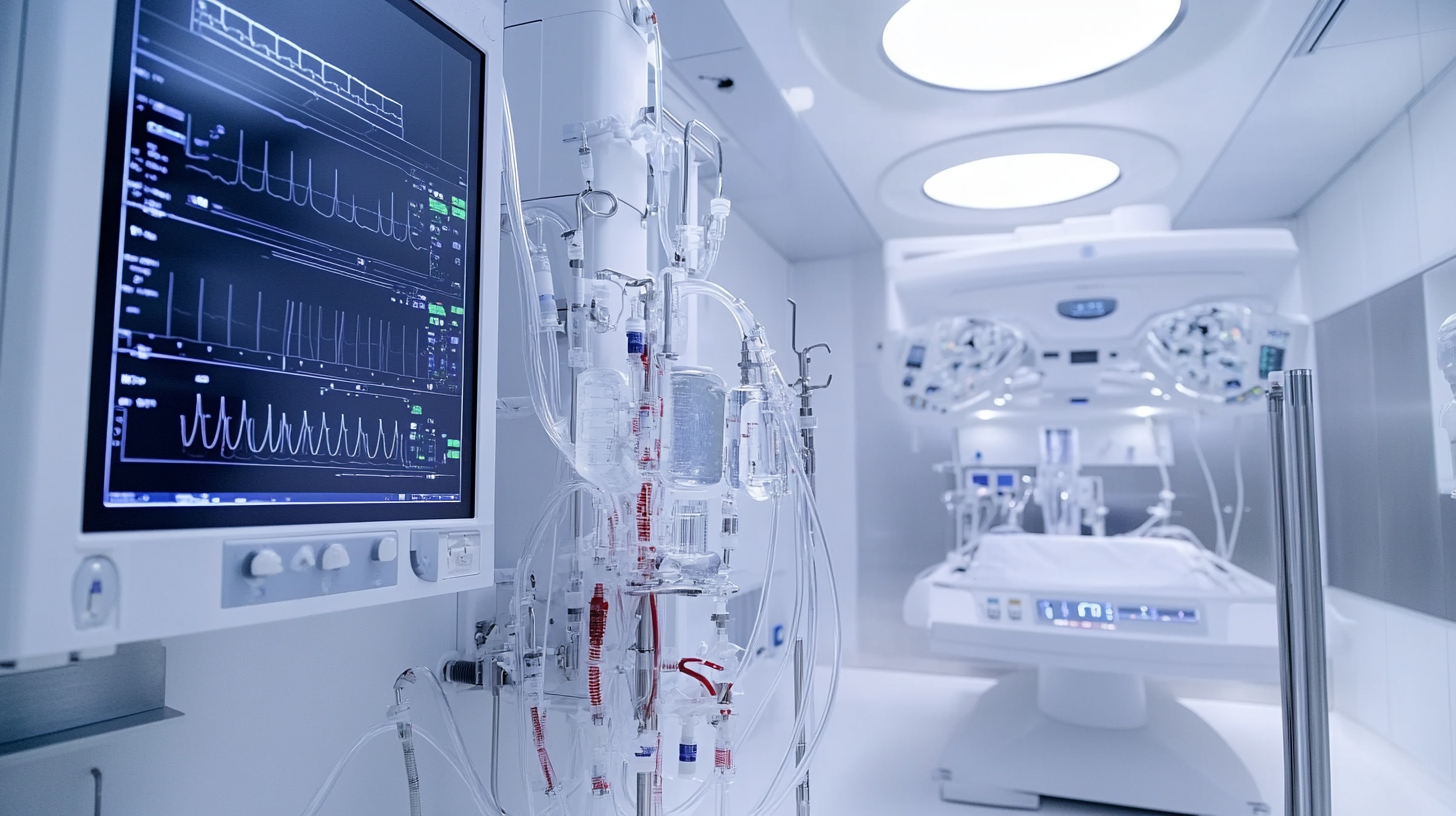
Statistical Analysis: Success Rates of Treatments with Quality Catheter Sets
In the realm of hemodialysis, the choice of catheter sets significantly influences treatment outcomes. A recent study published by the National Institutes of Health highlights that the use of high-quality catheter sets can lead to a staggering 80% success ratein maintaining Vascular Access for patients undergoing dialysis. This statistic underscores the importance of selecting the best hemodialysis catheter sets, as they are engineered to minimize complications such as infections and thrombus formation, which can drastically reduce treatment efficacy.
Moreover, the American Society of Nephrology reports that patients using premium catheter sets experienced a 60% reduction in complications compared to those with lower-quality alternatives. This not only enhances the patient experience but also improves overall treatment efficiency, allowing for longer durations between catheter replacements.
As healthcare providers aim to maximize patient safety and care quality, investing in superior hemodialysis catheter sets can ultimately lead to better health outcomes and a more streamlined treatment process. Such statistical findings advocate for a discerning selection of resources, particularly for global buyers navigating the complexities of hemodialysis supplies.
A Comparative Review of Material Types Used in Hemodialysis Catheters
When it comes to hemodialysis, the choice of catheter material can significantly impact both patient comfort and procedural success. Two of the most commonly used materials for hemodialysis catheters are silicone and polyurethane. Silicone Catheters are known for their flexibility and biocompatibility, which reduces the risk of tissue irritation. They are particularly advantageous for long-term use, as their softer nature minimizes discomfort for patients who require extended treatment durations. However, silicone can be more prone to kinking, which may hinder blood flow.
In contrast, polyurethane catheters offer superior strength and resistance to kinking, making them ideal for short-term dialysis needs. They are typically less flexible than their silicone counterparts but are highly durable, allowing for efficient blood flow during treatment. Recent innovations in polyurethane technology have further enhanced their performance, including increased resistance to thrombosis. By understanding the unique properties of these materials, global buyers can make informed decisions that optimize patient care and enhance operational efficiency in hemodialysis settings.
Unlocking Efficiency: The Unique Advantages of the Best Hemodialysis Catheter Set for Global Buyers
| Material Type | Advantages | Disadvantages | Durability (Days) | Cost (USD) |
| Polyurethane | Highly biocompatible, lower risk of infection | Higher cost compared to other materials | 15-20 | 50-70 |
| Silicone | Soft and flexible, comfortable for patients | Can kink under pressure | 10-15 | 30-50 |
| PVC | Cost-effective, widely available | Lower biocompatibility | 7-10 | 20-30 |
| Biosynthetic | Reduced risk of thrombosis, good flow rates | Still relatively expensive | 12-18 | 60-80 |
Expert Tips for Selecting the Right Catheter Set for Different Patient Needs
When selecting a hemodialysis catheter set, understanding the unique needs of each patient is crucial. Factors such as the patient's vascular anatomy, medical history, and individual treatment goals must be considered to optimize patient outcomes. For instance, recent findings highlight the importance of selecting the appropriate vascular access devices to minimize complications. This principle directly aligns with the importance of personalized care in hemodialysis, where a tailored approach can lead to better health metrics and improved quality of life for patients.
At Tianck Medical CO., Ltd., we prioritize the development of precision-engineered catheter sets designed to meet the diverse needs of patients globally. Our commitment to advancing healthcare is reflected in our focus on quality and adaptability. As healthcare providers look for the best solutions to enhance treatment efficacy, our catheter sets stand out due to their superior design and usability, ensuring that medical professionals can deliver optimal care across various patient scenarios. By emphasizing effective strategies and best practices in catheter selection, we empower healthcare providers to make informed decisions that directly contribute to better patient outcomes.
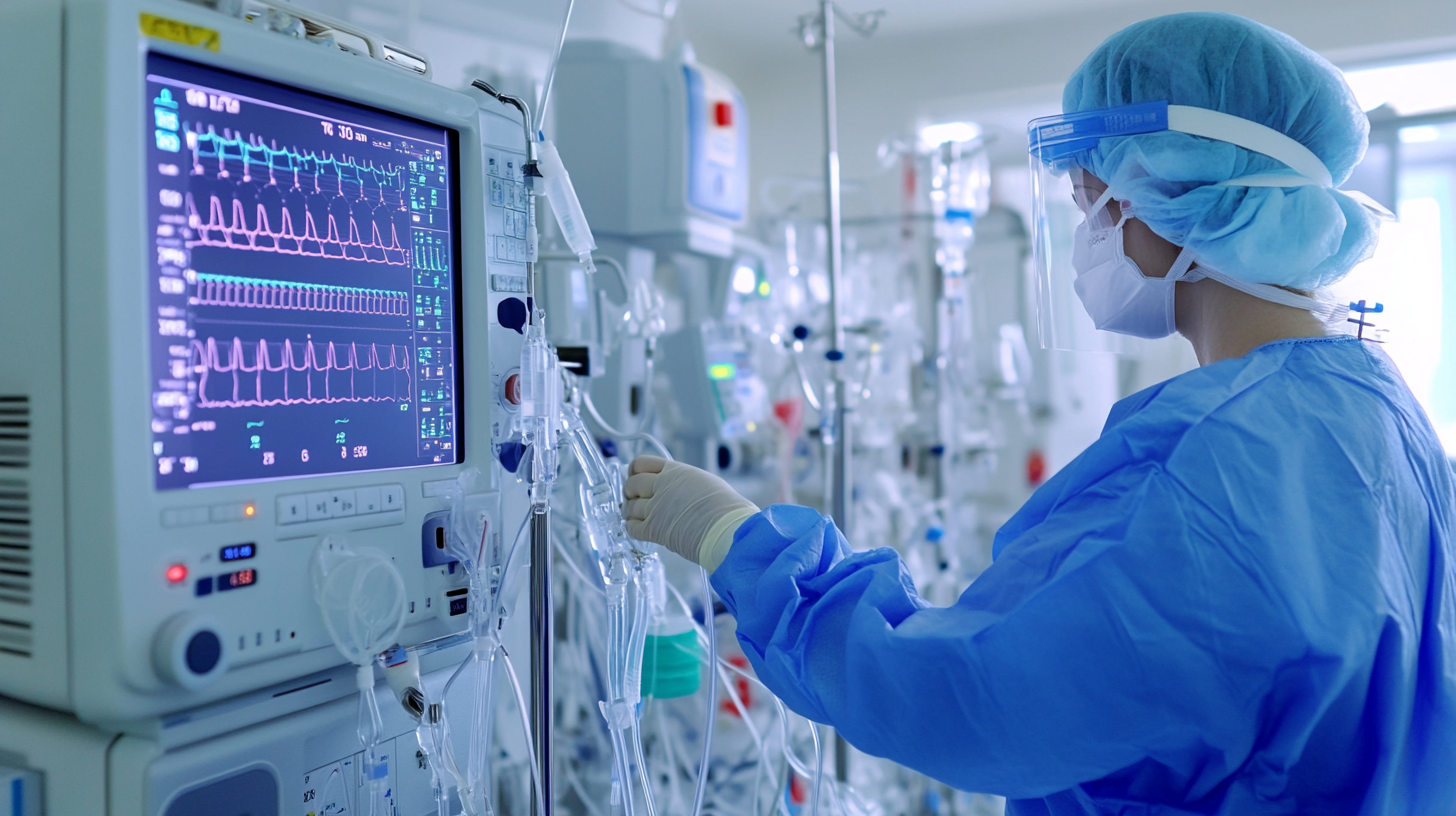
The Future of Hemodialysis Technology: Trends Shaping the Catheter Market
The landscape of hemodialysis technology is rapidly evolving, driven by innovations that enhance patient care and improve clinical outcomes. As global healthcare demands shift, there is a notable trend towards the development of advanced hemodialysis catheter sets designed to offer unparalleled efficiency and safety. These innovations not only streamline the dialysis process but also reduce the risk of complications, ensuring that patients receive the highest quality of care during their treatment.
At Tianck Medical Co., Ltd., we are dedicated to staying at the forefront of these trends. Our precision-engineered products reflect our commitment to meeting the dynamic needs of healthcare professionals and patients alike. By focusing on advanced materials and designs, we ensure that our hemodialysis catheter sets are not only effective but also user-friendly, facilitating smoother procedures. As the catheter market continues to evolve, our innovative solutions position us as a leader in enhancing patient outcomes and transforming the future of hemodialysis technology globally.
Essential Guide to Long Term Hemodialysis Catheters: Choosing the Best for Optimal Patient Care
Long Term Hemodialysis Catheters are vital for patients with end-stage renal disease (ESRD) who require consistent and effective dialysis treatment. These specialized medical devices serve as a critical link between the patient’s circulatory system and the dialysis machine, allowing safe removal and return of blood during each session. Inserted into a large central vein—such as the jugular, subclavian, or femoral vein—these flexible tubes are uniquely designed for extended use, making them an optimal choice for patients who need long-term vascular access.
One of the key advantages of Long Term Hemodialysis Catheters is their tunneled design, which allows the catheter to run under the skin. This feature significantly reduces the risk of infections, a common concern with less durable, temporary catheters. By staying secure and sterile, tunneling helps ensure that patients can focus on their treatment and recovery rather than on managing complications. When choosing a Long Term Hemodialysis Catheter, it's essential to consider factors such as size, materials, and the specific medical conditions of the patient to ensure optimal care and outcomes.
FAQS
: The two most commonly used materials for hemodialysis catheters are silicone and polyurethane.
Silicone catheters are known for their flexibility and biocompatibility, which reduces the risk of tissue irritation and minimizes discomfort for long-term use.
Silicone catheters can be more prone to kinking, which may hinder blood flow.
Polyurethane catheters offer superior strength and resistance to kinking, providing efficient blood flow during short-term dialysis needs.
Recent innovations in polyurethane technology have enhanced their performance, including increased resistance to thrombosis.
Factors such as the patient's vascular anatomy, medical history, and individual treatment goals must be considered to optimize patient outcomes.
Tianck Medical prioritizes the development of precision-engineered catheter sets that are adaptable to meet the diverse needs of patients globally.
The future of hemodialysis technology is driven by innovations that enhance patient care and improve clinical outcomes, with a focus on efficiency and safety in catheter design.
Tianck Medical is committed to staying at the forefront of trends by focusing on advanced materials and designs that improve patient outcomes and transform hemodialysis technology.
Personalized care is crucial as a tailored approach can lead to better health metrics and improved quality of life for patients undergoing hemodialysis.